Director's Corner
April 21st is a day dedicated to remembering Raden Ajeng Kartini, a woman whose words and actions moved a nation.
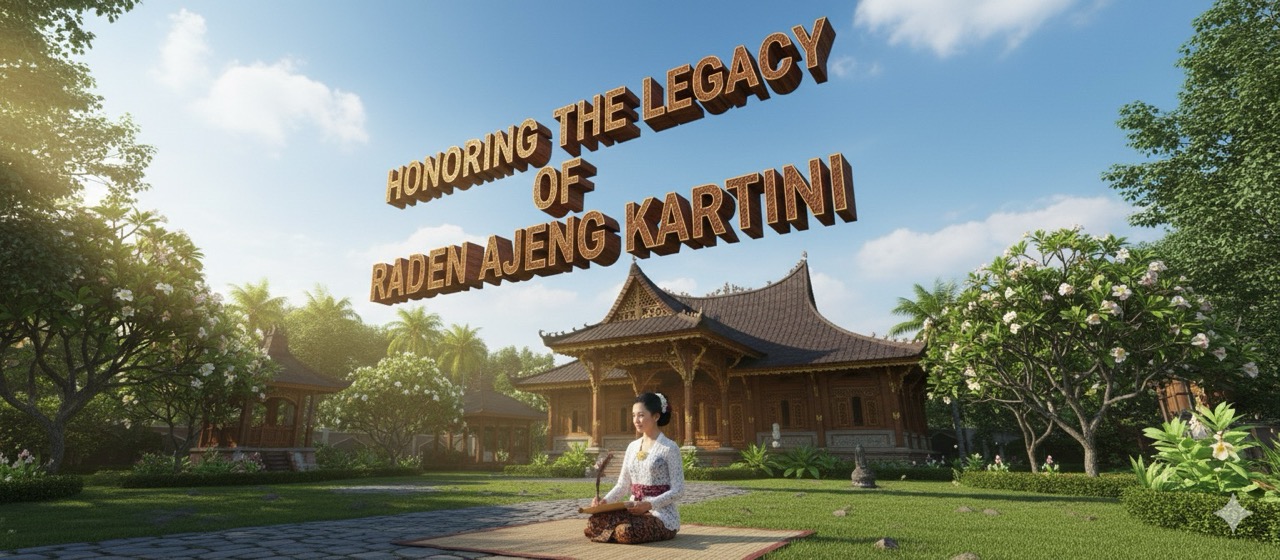 April 21st is a day dedicated to remembering Raden Ajeng Kartini, a woman whose words and actions moved a nation. It is a moment to reflect on her legacy—not only in advancing women’s education, but also in breaking cultural barriers. Kartini fought for freedom of thought, courage, and the right to ask “why” in a world that demanded only obedience.
For centuries before Kartini was born, women were systematically silenced—not only by men, but by traditions that cloaked injustice in the name of culture. To be born a woman was to be born with limitations: discouraged from asking questions, denied access to learning, and conditioned to believe that obedience was the highest virtue. Women of her time were forced to smile through pain in a world where men held all authority. They were confined within the walls of their homes, expected to live solely to be married and bear children. Success was measured by compliance rather than intellect, stripping away the basic human dignity of freedom of thought. Kartini herself was one of countless brilliant minds bound by the invisible chains of patriarchy.
And yet, from within that cage, she roared.
Through her writing, Kartini uplifted unheard voices. She sparked change and was never afraid to be challenged by society. She envisioned a world where people of all genders were free to pursue knowledge, express opinions, and take part in shaping their future. Kartini understood that true transformation must begin with education—not merely formal schooling, but learning that builds character, challenges injustice, and inspires action.
Centuries later, we see the impact of her struggle. Girls attend school. Women lead classrooms, institutions, and companies. Conversations about equality grow stronger and louder with each generation.
Yet Kartini’s legacy calls us to go further.
Ayah Bunda and fellow educators, are we teaching our children to think critically and act with empathy? Are we raising girls to believe in their worth beyond appearances? Are we guiding boys to understand that true strength lies not in dominance, but in fairness and kindness?
To honor Kartini is to continue her mission. It means recognizing that we are responsible for creating real and lasting change for the future. This responsibility does not belong only to parents, educators, or women—it belongs to all of us as a society, as families, and especially as mentors to the younger generation. If Kartini was able to amplify voices on her own, imagine the change we can create when we stand together, hand in hand.
See you soon, Ayah Bunda. Have a wonderful day ahead.
Filter
Latest Activities


Latest Facilities
 2.jpeg)


Admission
Admission


Admission


Director's Corner


